
24-hour locksmith
May 13, 2026
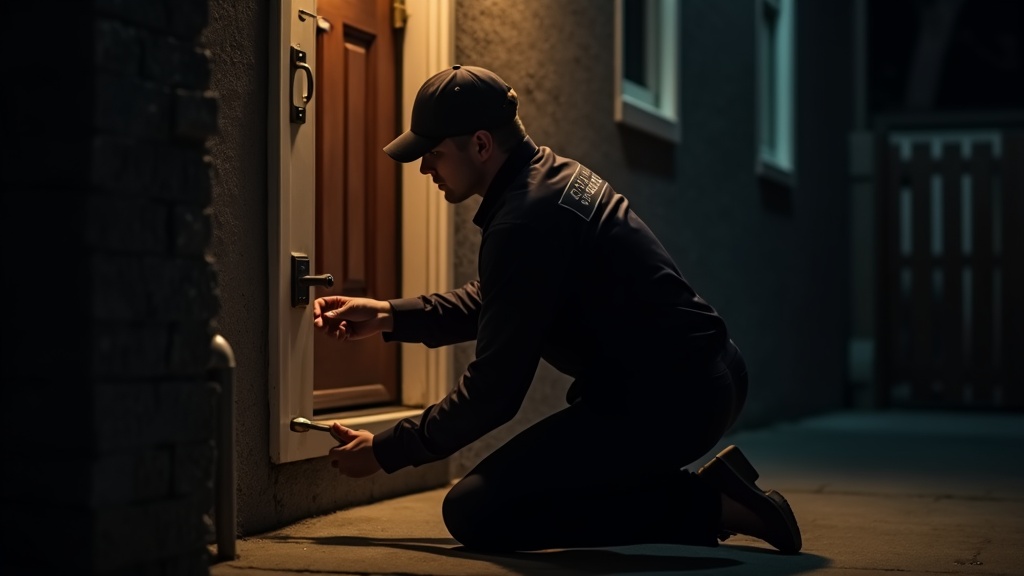
When You Need a Locksmith at the Worst Possible Hour in Montreal
Lockouts have a talent for happening when everything else is already going wrong. It is raining, the groceries are in the trunk, the baby is asleep in the back seat, or you have just stepped into the hallway and heard the apartment door click behind you. In a city like Montreal, where winter can turn a small inconvenience into a real problem fast, having access to a dependable serrurier 24 is less a luxury than a practical part of urban life.
The catch is that emergency service is one of those categories where people usually search in a hurry. That makes it easy to choose badly. A good locksmith is not just someone with tools and a phone number at 2 a.m.; it is someone who can assess the situation calmly, work without unnecessary damage, and explain what needs to happen before they start.
What emergency locksmith service actually covers
Most people think first of house keys, but round-the-clock mobile locksmith work is broader than that. Residential calls often involve apartment lockouts, broken keys, jammed deadbolts, or a lock that no longer turns after years of wear. In older Montreal buildings, swollen wood frames, shifting doors, and aging hardware can make a simple entry issue much trickier than it looks from the hallway.
Commercial jobs have their own texture. A business owner might be dealing with a storefront cylinder that has been tampered with, a staff member locked out before opening, or the need to re-secure a door after an employee departure. Time matters here, but so does discretion. The right technician understands that a late-night call at a clinic, restaurant, or office is not the place for trial and error.
Automotive calls are often the most stressful. Keys locked inside, fobs that stop responding, trunks that will not open, or ignition issues can derail an entire day. Modern vehicles add complexity, and that is where experience really shows. The best mobile locksmiths arrive prepared to diagnose, not just to poke around the weather stripping and hope for the best.
How to tell you are dealing with a professional
In an emergency, clarity is a form of professionalism. Before anyone comes out, you should be able to describe the problem and get a straightforward explanation of the likely service involved. That does not mean a precise quote without seeing the lock, but it does mean no evasiveness, no dramatic language, and no pressure.
A trustworthy technician will usually ask practical questions: Is it a standard deadbolt or a smart lock? Is the key broken inside the cylinder? Are you locked out of a condo building or just the unit? With a vehicle, they may ask for the make, model, and year before dispatch.
These are good signs. It means they are thinking about the job rather than just the invoice.
Identification matters too. A real locksmith should be ready to verify who they are and, just as importantly, confirm that you have a right to access the property or vehicle. That can feel inconvenient when you are standing in slippers in a stairwell, but it is exactly the kind of caution you want from someone being trusted with security.
The difference between entry and repair
One common misunderstanding is that getting back in and fixing the underlying issue are always the same job. They are not. A lockout may be resolved quickly, but if the deadbolt is misaligned, the latch is worn down, or the key itself is damaged, the problem can return the next morning.
This is especially true in winter. Cold weather can make locks feel suddenly defective when the real culprit is moisture, grime, or a door that has shifted just enough to create resistance. A seasoned locksmith will often point out whether the issue was a one-time access problem or a sign that the hardware needs adjustment, repair, or replacement.
For homeowners and tenants, that distinction saves repeat stress. For businesses, it can be the difference between one after-hours call and a recurring operational headache.
Montreal-specific details people forget
Montreal has a mix of housing stock that keeps locksmiths on their toes. New condo towers may have sleek electronic systems and tighter building access rules. Older triplexes and duplexes often come with decades of layered hardware, from newer deadbolts installed over original doors to locksets that have been repaired half a dozen times by different hands. That variety means there is no one-size-fits-all emergency response.
Then there is the weather. Ice, slush, and road salt do not only punish cars. Exterior locks on gates, garage doors, side entrances, and commercial back doors take a beating through the season. A key that worked perfectly in October may suddenly refuse to cooperate in February.
Sometimes the lock is failing; sometimes it just needs proper service and alignment. A rushed technician may miss that difference.
What to do while you wait
First, take a breath and do the obvious checks once, not ten times. Try another door if you have one. See whether a family member, roommate, superintendent, or property manager can legally let you in. If a child, vulnerable person, or pet is in immediate danger, call emergency services first and explain the situation clearly.
If you are locked out of a car, move somewhere safe and visible if possible. In winter, that matters more than people admit. Standing beside a parked vehicle on a narrow street at night is not where you want to troubleshoot for half an hour.
- Keep photo ID accessible when you can, especially if you live alone or drive often.
- Save one vetted locksmith number before you need it.
- Do not force a key that is resisting; bent or snapped keys turn a simple call into a more involved one.
When replacement makes more sense than another fix
Not every lock deserves one more repair. If a cylinder sticks repeatedly, if keys need jiggling every day, or if a break-in attempt has compromised the hardware, replacement may be the smarter move. The same goes for businesses managing staff turnover or residential properties with uncertain key control. Rekeying can be enough in some cases, but not all.
For vehicle owners, the issue is often less about the lock itself and more about the key or fob. Intermittent problems have a way of becoming total failures at exactly the wrong moment. A technician who explains the likely cause in plain language is worth more than one who treats every problem like a mystery only they can solve.
Choosing help before the emergency happens
The best time to find a locksmith is when you are not locked out. Look for a service that clearly handles residential, commercial, and automotive calls and actually operates on a mobile basis across Montreal. Read for tone as much as content. Companies that communicate like adults tend to behave like adults when they arrive.
That is also where a directory-style resource such as locksmithsnearyou24.com can be useful: not as a substitute for judgment, but as a starting point when you want to compare local emergency options before you are standing outside in the cold with 3 percent battery left.
If you do need a serrurier 24 in a rush, the goal is simple. You want someone who shows up prepared, respects the property, and leaves you more secure than they found you. In this line of work, speed matters. Competence matters more.
A lockout is rarely just a lockout. It is a moment when you need calm, practical help and no nonsense. In Montreal, where buildings, vehicles, and weather all add their own complications, choosing the right locksmith is less about finding the fastest promise and more about finding steady hands when the hour is inconvenient and the stakes feel larger than they should.
Need a locksmith now?
24/7 mobile service in Montreal and surrounding areas. Price confirmed by phone.
514-312-0638